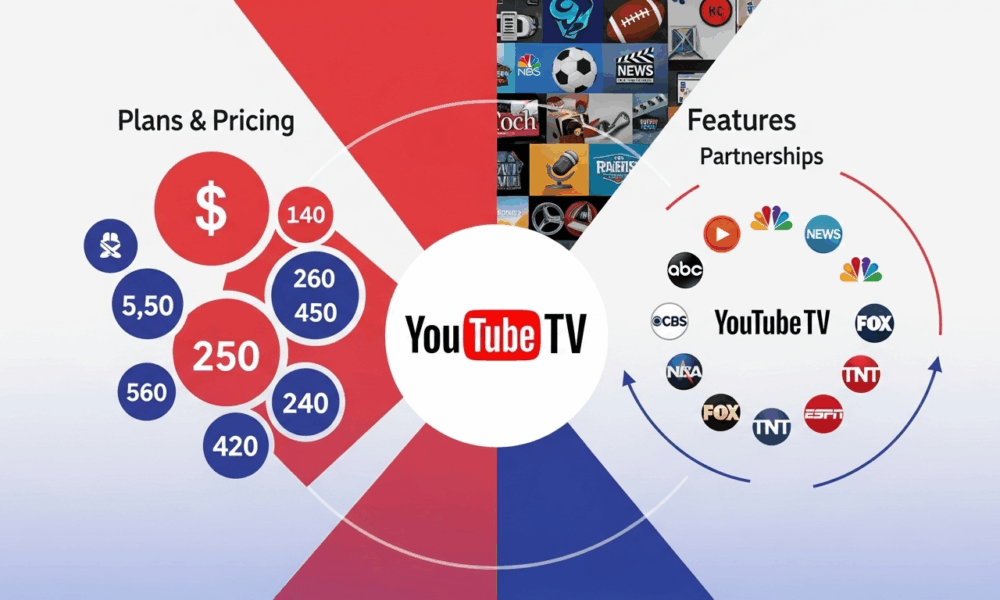
YouTube TV has emerged as one of the most popular alternatives to cable, offering live television streaming with the flexibility of modern digital platforms. From its subscription fees and available plans to its growing list of partnerships with companies like Roku, YouTube TV is steadily reshaping how people watch television in 2025. Here’s everything you need to know.
Launched in 2017, YouTube TV was Google’s answer to the decline of traditional cable. It provides access to live TV channels, on-demand programming, and cloud DVR—all without the contracts, equipment fees, or hidden costs that have long defined cable subscriptions. Over the years, the platform has expanded its lineup and features, drawing millions of subscribers in the U.S.
Pricing and Subscription Plans
As of 2025, YouTube TV’s base subscription costs $72.99 per month, offering more than 100 channels that cover live sports, entertainment, news, and local broadcasts. Premium add-ons are available for services like HBO Max, Showtime, and Starz, along with 4K Plus packages for viewers who want ultra-high-definition streams. Unlike cable, there are no hardware rental fees, and each plan comes with unlimited DVR storage.
Features That Stand Out
One of YouTube TV’s strongest selling points is its cloud DVR, which allows unlimited recordings stored for nine months. Subscribers can stream on multiple devices at once and share their account with up to six household members, making it cost-effective for families. The platform also integrates seamlessly with smart TVs, smartphones, and gaming consoles.
Partnerships and Ecosystem
YouTube TV has expanded its reach through strategic partnerships with major tech and streaming platforms. Roku and Google Chromecast are among its strongest allies, ensuring native integration and easy access for viewers. Partnerships with sports leagues and broadcasters have also strengthened its lineup, offering exclusive access to NFL Sunday Ticket and other premium sports programming. These deals highlight YouTube TV’s ambition to become the go-to hub for live sports streaming, an area where traditional cable once dominated.
The Competition
While YouTube TV is a market leader, it faces stiff competition from services like Hulu + Live TV, Sling TV, and FuboTV. Pricing wars and exclusive content deals continue to shape the streaming market, but YouTube TV’s combination of Google’s ecosystem, strong partnerships, and user-friendly features has helped it maintain a competitive edge.
Why It Matters
For viewers, YouTube TV represents a shift away from traditional cable toward flexible, internet-first solutions. Its pricing isn’t dramatically cheaper than cable, but the convenience, lack of contracts, and deep integration with smart devices make it one of the most attractive streaming packages available today.
As the streaming landscape evolves, YouTube TV’s partnerships with platforms like Roku and its expansion into premium sports packages suggest that it is not just replacing cable—it’s redefining live TV for the digital age.